No products in the cart.
Return To Shop

Tamahagane is the steel behind the legend. It’s the material that made Japanese swords famous, and it’s also one of the most misused words in the sword market today. Listings call folded steel “tamahagane,” buyers pay a premium for the name, and almost none of those blades contain any of the real thing. Here’s what tamahagane actually is, why it mattered, what it costs, and what a practical buyer should look for instead.
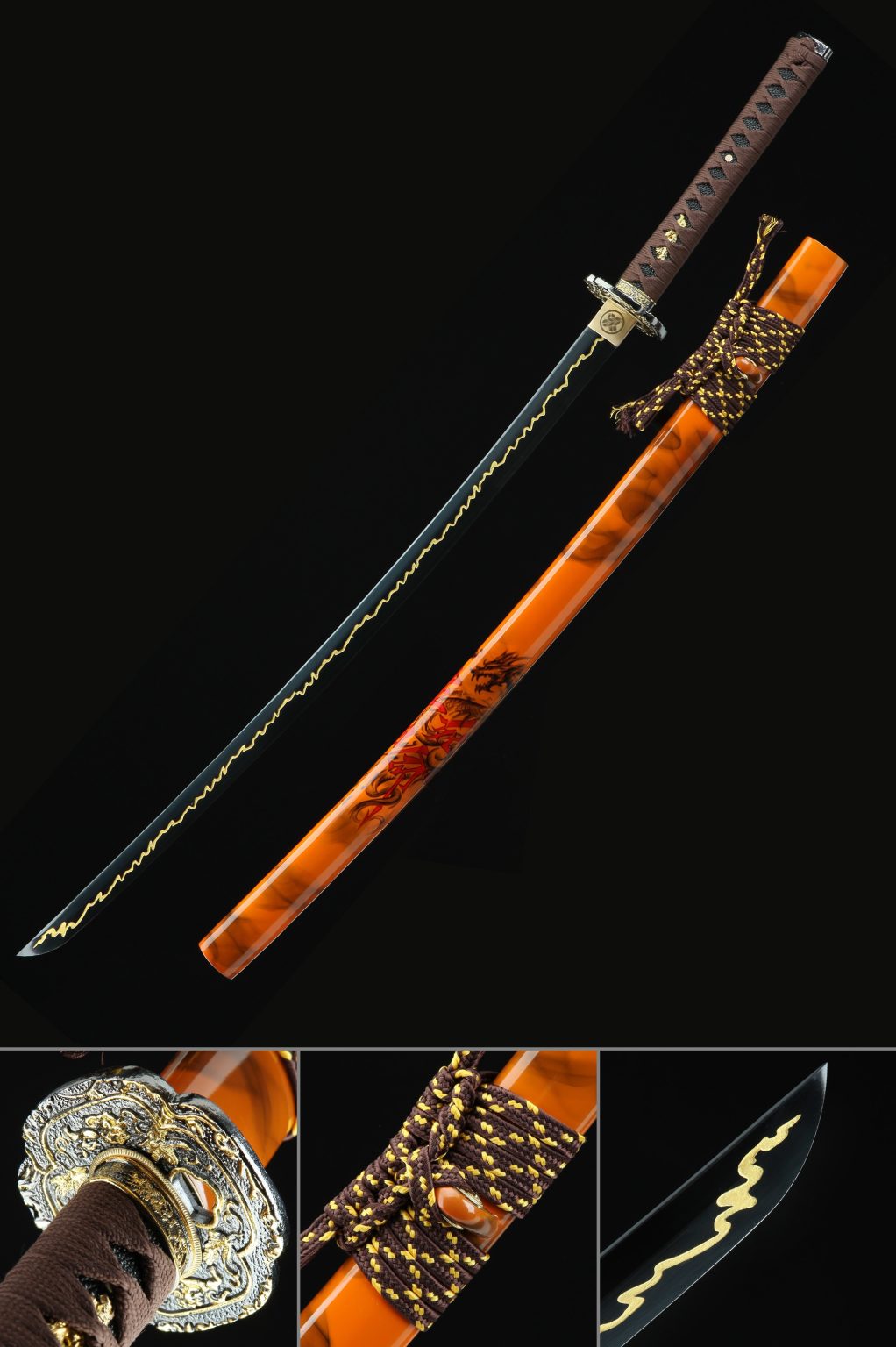
1. What tamahagane actually is
Tamahagane — literally “jewel steel” — is not an alloy recipe. It’s the raw steel produced in a tatara, a traditional clay smelter, from iron sand (satetsu) and charcoal. The furnace runs below the melting point of iron, so instead of pouring liquid metal you get a spongy bloom of steel at the bottom of the furnace. The smith breaks that bloom apart and, by eye and by spark, sorts the fragments by carbon content.
That sorting is the whole point. A single tatara bloom is wildly inconsistent: pieces range from low-carbon wrought iron to high-carbon steel, with slag and impurities trapped throughout. The best fragments — roughly the high-carbon pieces suitable for a cutting edge — are the tamahagane. Everything else goes to the jacket, the spine, or the scrap pile. It’s a slow, low-yield process that takes days and consumes enormous amounts of charcoal.
2. Why it had to be folded
Because the starting material is uneven, you cannot forge a blade from a single piece of tamahagane and expect consistent behavior. The smith stacks the sorted fragments, forge-welds them into a billet, draws it out, folds it, and welds it again — repeatedly. Each fold homogenizes the carbon, drives out slag, and multiplies the layers. The flowing grain seen on traditional blades, the hada, is a direct record of that work.
So folding wasn’t decoration or mysticism. It was the only way to turn a variable, dirty bloom into a blade that would harden predictably. Combined with clay tempering — coating the spine in insulating clay so the edge quenches hard and the spine stays tough — it produced the hard edge and resilient body that made these swords effective. We explain the modern version of that heat treatment in Real Hamon vs Acid-Etched Hamon.
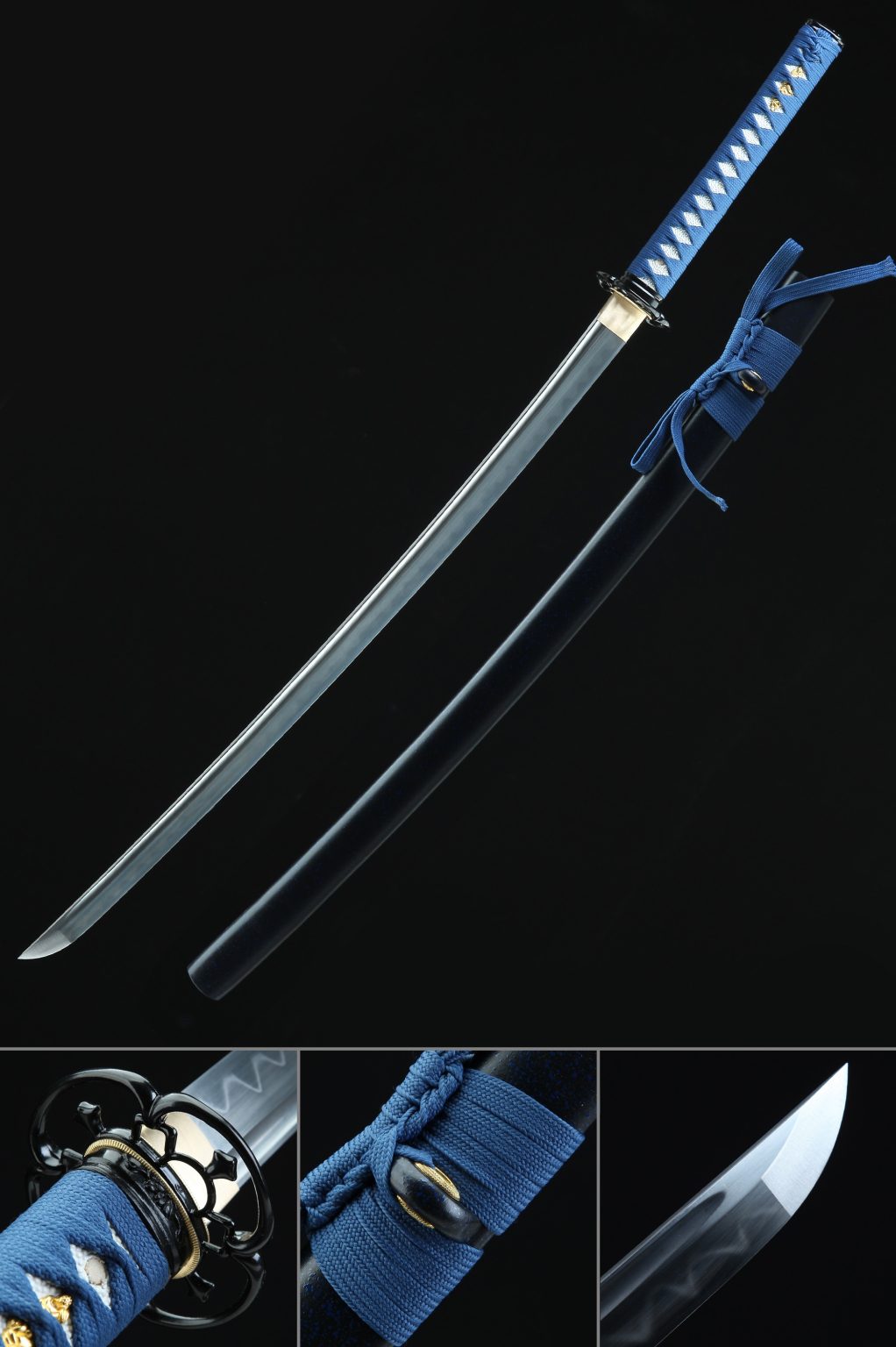
3. The awkward truth about “tamahagane” in the market
Real tamahagane is scarce and expensive. In Japan, licensed smiths work under a regulated system with a limited annual output, and a blade from a recognized smith is a serious collector purchase with papers, a waiting list, and a price tag to match. It is not something that appears in a $200 marketplace listing.
What most sellers actually mean by “tamahagane” is folded modern steel — a billet of 1060, T10, or pattern-welded stock folded to create a visible grain. That’s a legitimate and attractive product, and it can make a very good sword, but it is not tamahagane. If a seller won’t name the base steel and instead leans on the word “tamahagane,” treat that as a red flag rather than a feature.
4. How modern steels compare
Modern sword steels start out homogeneous, which is exactly what tatara steel had to be folded into being. That changes what a maker can control:
- 1045 / 1060 carbon steel — simple, tough, forgiving, inexpensive. The dependable entry point for a functional blade; 1060 katana in our catalog sits around $139.
- T10 tool steel — higher carbon, takes a keen edge and holds it, and responds beautifully to clay tempering. Our T10 clay-tempered katanas start around $160.
- Folded and Damascus / pattern-welded steel — layered for grain and character, with performance driven by the steels used in the stack. See our Damascus steel katanas.
- Manganese steel — high shock resistance, popular for heavy cutting and outdoor use.
None of these can honestly be called tamahagane, and none of them need to be. For a side-by-side breakdown of how each behaves, read Katana Steel Comparison: T10 vs Damascus vs 1060 vs Manganese.
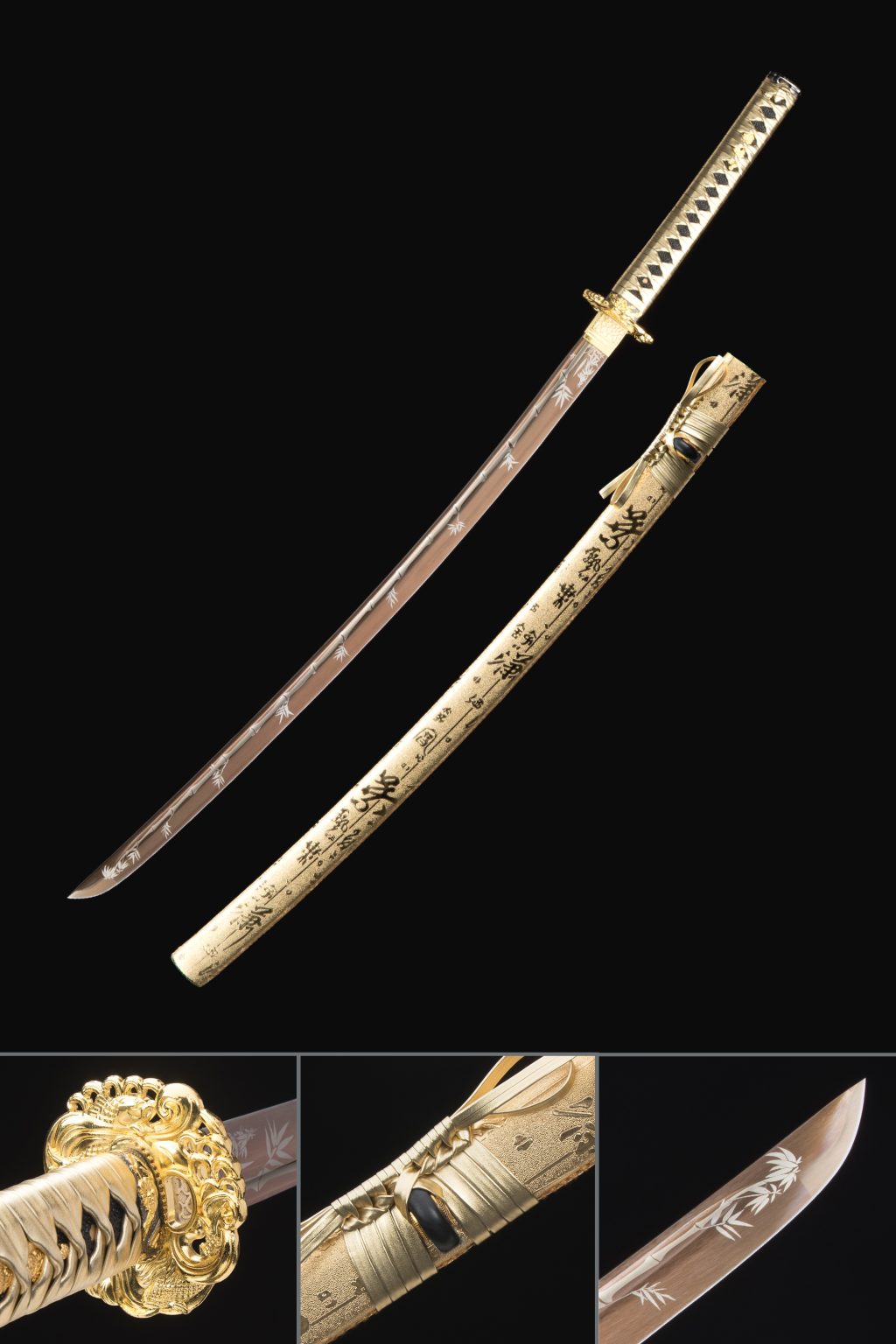
5. So what should you actually buy?
We don’t sell tamahagane swords. What we sell are hand-forged, full-tang blades made from modern steels that are consistent, verifiable, and honestly described. If you want the aesthetic that tamahagane made famous — visible grain, a real hamon, a blade that cuts — a T10 clay-tempered katana or a folded-steel blade gets you there at a fraction of the cost, with heat treatment you can actually verify using the light test.
Start with the basics in How to Choose a Real Katana, then set a realistic number with our price guide. The name on the steel matters far less than three things you can check: full tang construction, a stated steel grade, and differential hardening you can see. Browse the full katana collection with those three in mind, and every blade there will tell you exactly what it’s made of.

About author

Add comment