

“One size fits all” is a lie when it comes to katanas. A blade that feels perfect for a 6’2″ practitioner can feel like a telephone pole for someone four inches shorter — and the reverse leaves you drawing a sword that’s too short to balance in two hands. The good news: katana sizing follows clear conventions, and once you know two numbers, picking the right length is straightforward.
1. The vocabulary you need
- Nagasa (blade length). The straight-line distance from the munemachi (the notch where the blade meets the habaki) to the kissaki (tip). This is the number that defines a sword’s size class.
- Tsuka (handle length). Measured from the tsuba to the kashira. Traditionally sized to the wielder’s hands and the intended grip.
- Overall length. Blade + handle. What determines how the sword carries on your back or hangs on a stand.
- Sori (curvature). How much the spine arcs. Deeper sori (as on a tachi) favors cutting from horseback; shallow sori favors thrusting and quick draws.
2. The three standard size classes
Japanese sword classification is defined by nagasa, and the three main classes are exactly what you’d expect from a daisho set:
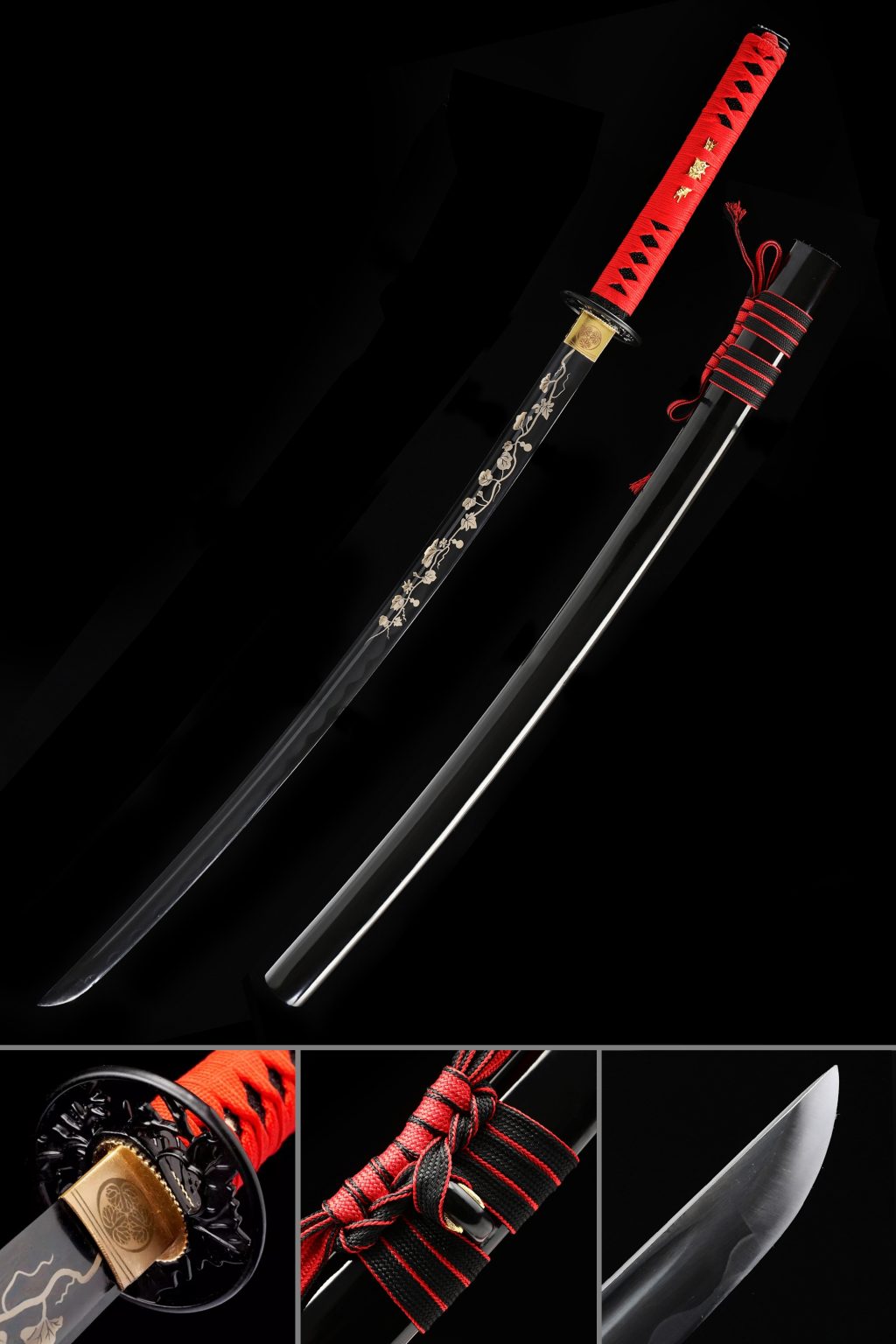
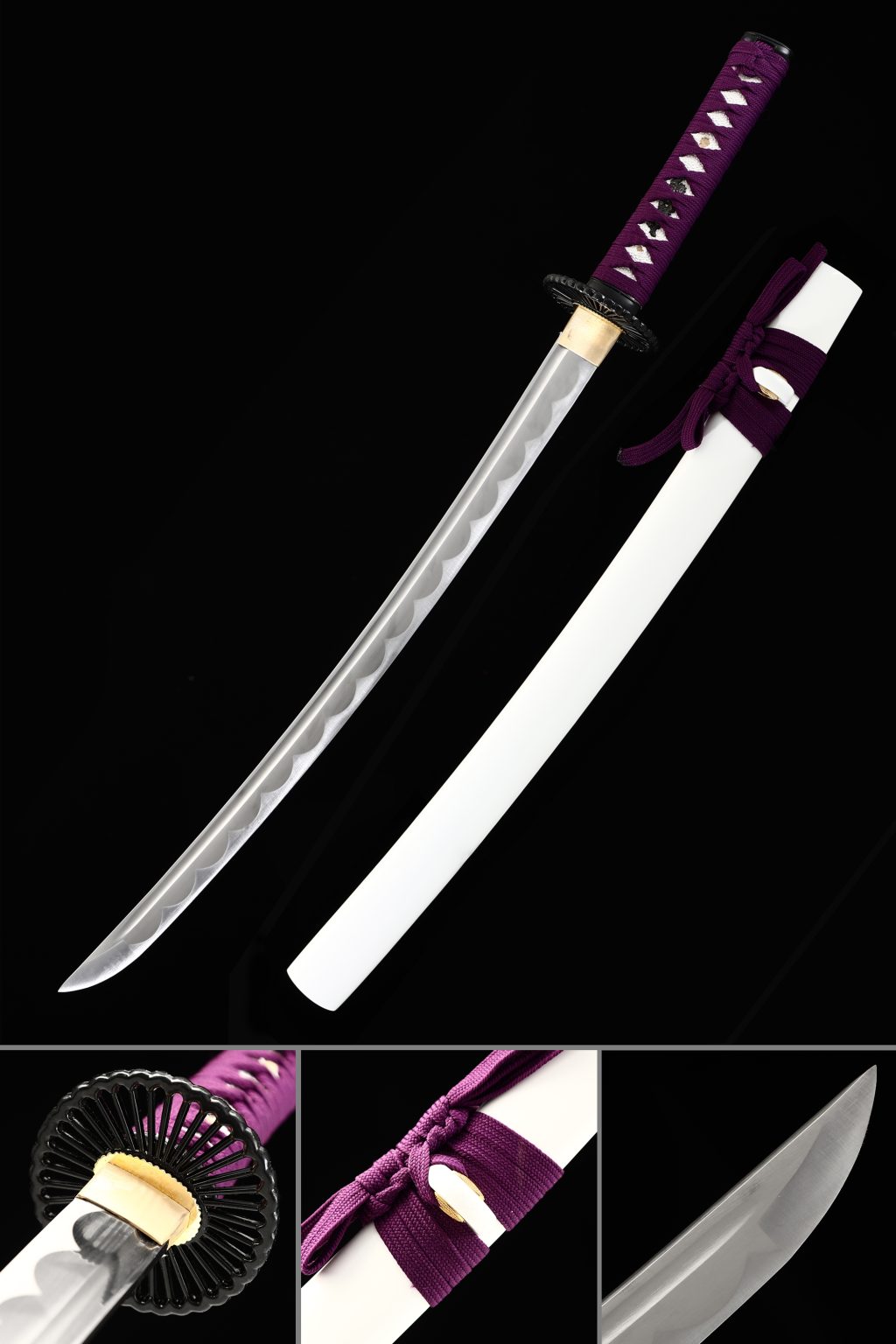
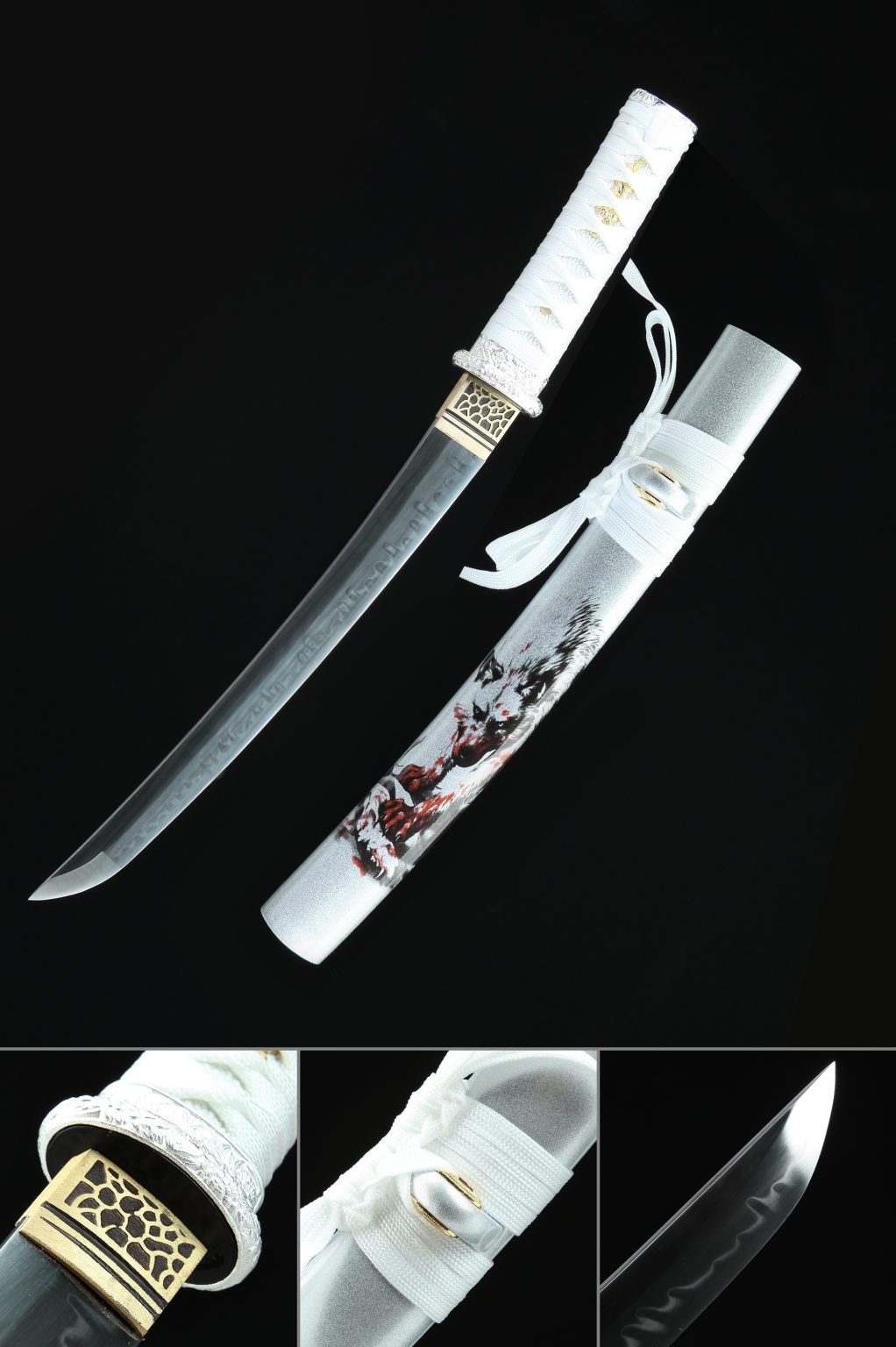
For a deeper comparison of the three blades and when you’d choose each, see Katana vs Wakizashi vs Tanto: The Three Samurai Blades Compared.
3. Matching blade length to your height
There’s no single official formula, but practitioners and smiths converge on the same practical guidance:
- Under 5’4″ (163 cm): a nagasa at the shorter end of the katana range — around 65–68 cm — keeps the sword controllable and the draw smooth.
- 5’4″–5’10” (163–178 cm): the standard ~70 cm nagasa that most production katanas are built around. This is the “default” katana length for a reason: it suits the average adult.
- Over 5’10” (178 cm): a longer nagasa of 72–73 cm balances better in the hands and avoids the short-sword feeling during two-handed swings.
A quick sanity check used in iaido dojos: hold the sword down at your side in a relaxed grip — the tip should sit somewhere around your ankle bone, not dragging on the ground and not hovering at mid-calf. If a standard length fights you during the draw (noto especially), size is the first thing to question.
4. Handle length matters more than people think
The classic ratio is a tsuka around 25–30% of the nagasa. A handle that’s too short cramps a two-handed grip and shifts balance forward; one that’s too long makes the sword wag in single-hand transitions. Taller practitioners with larger hands should favor longer tsuka — and anyone buying for practical use should check the listed handle length, not just the blade length. Every part of the sword from tsuba to kashira is covered in Katana Anatomy: Parts of a Japanese Sword Explained.
5. When custom sizing actually matters
- Iaido and drawing arts. The sword must match your draw arc. A blade even 3 cm too long makes noto (resheathing) genuinely unsafe for beginners.
- Tameshigiri (test cutting). Longer blades give more cutting arc but demand more control. Most cutters are happiest near the standard length.
- Back carry. If you plan to sling the sword across your back, overall length relative to your torso decides whether you can actually draw it.
- Display. Purely aesthetic — buy the length that fits your wall or stand, not your body.
6. Buying from a catalog: what to check
Most production swords list their nagasa in the specs. Ours do — and every blade in our katana collection follows the traditional proportions described above, while our wakizashi and tanto collections cover the shorter classes. If a listing doesn’t publish the blade length, ask before buying — that number is the single most important spec on the page.
One last note: don’t overthink it. Unless you’re training in a formal art with strict requirements, the standard ~70 cm katana will serve you well. Choose your steel and your budget first (see How Much Does a Real Katana Cost?), and let length be the final filter.


Leave a reply